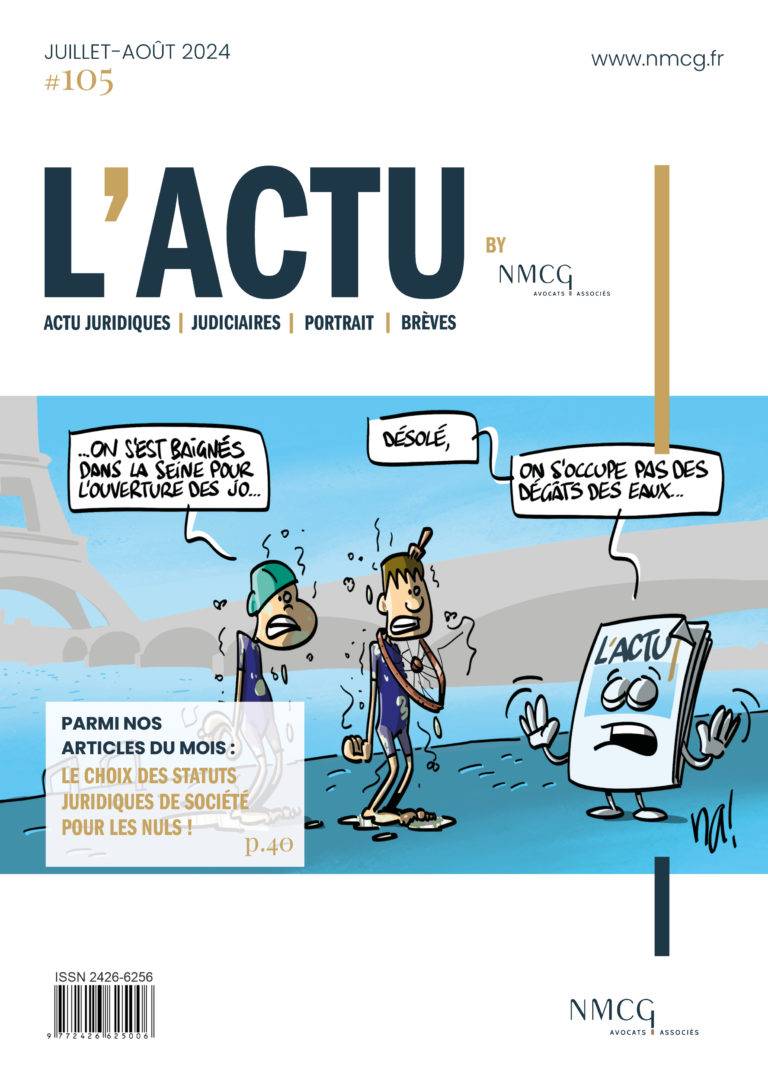
Paris 2024 – Governance, doping, violence, corruption, etc.: major works for an exemplary sport?
5 March 2024
The Paris 2024 Olympic Games are the occasion for major developments, work and questioning at all levels, right up to the sport’s highest governing bodies. A review of the latest developments.
Law no. 2023-380 of May 19, 2023 on the 2024 Olympic and Paralympic Games and various other provisions:
- Reinforcement of anti-doping measures (e.g. temporary authorization of new analysis techniques),
- Enhanced video protection (e.g. identification of dangerous situations using algorithms),
- Administrative inquiries prior to accreditation to authorize access to the Olympic Village,
- Enhanced control systems (e.g. palpation and body scanners) and other measures.
Creation, July 5, 2023of the “Commissionof inquiryrelative into theidentification ofoperationalfailureswithin Frenchsports federationsfederation», of the sports movement and sports governance bodies insofar as they are delegated public services.
In the wake of numerous public revelations about the failings of sports federations, the purpose of this commission is to identify these failings and issue recommendations to ensure the safety and protection of all participants, athletes and sports federations, focusing on 3 areas:
- Sexual and gender-based violence, psychological and physical abuse
- Discrimination and hate
- Financial management of federations
In the course of the hearings, the Commission noted instances of perjury and reported them to the Paris public prosecutor’s office, which opened investigations into the heads of several federations. These include failure to report sexual and gender-based violence, as well as suspicions of corruption and misappropriation of public funds.
June and October 2023, raids at several Olympic and Paralympic Games venues in the context of two investigations, including a preliminary inquiry initiated by the OCLCIFF (Office central de lutte contre la corruption et les infractions financières et fiscales), notably concerning “illegal taking of interest, favoritism and concealment concerning several contracts linked to the 2024 Olympics”.
On January 15, 2024, a circular relating to the judicial arrangements put in place for the 2024 Olympic and Paralympic Games was published by the Ministry of Justice. It organizes an exceptional mobilization of additional magistrates to cope with the surge in jurisdictional activity during periods of judicial vacations, particularly in the Paris and Versailles courts of appeal.
Publication, on January 23, 2024, of the Parliamentary Report of the Commission of Inquiry, which proposes 62 recommendations “for an ethical and democratic shock”.
Examples of recommendations included in the report:
- Systemic failings (29 recommendations, including no. 7: “Give the future independent administrative authority in charge of sports ethics the power to impose financial sanctions on sports federations that fail to meet their obligations and commitments in terms of ethics”).
- Fight against violence (19 recommendations, including no. 35: “Rapidly generalize the appointment of a sports referral magistrate in all public prosecutors’ offices”).
- Combating hatred and discrimination (12 recommendations, including no. 58: “Interrupt the audiovisual broadcast of a sporting event in the event of a hatred or discrimination incident”)
However, these recommendations are not binding on sports federations.
Published on February 12, 2024 by the French Anti-Corruption Agency (AFA)from “Guide forsports federations onthe prevention ofbreachesprobity.“ The aim is to provide players in sports federations, leagues and clubs with practical information on high-risk situations, on subjects such as public procurement, gift and invitation policy, and conflicts of interest.
NMCG helps athletes, federations and other organizations adapt to regulatory, ethical and societal changes.